


The cultural significance of gambling in modern society
The cultural significance of gambling in modern society
Gambling as a Reflection of Human Nature
Gambling has existed for centuries and serves as a profound reflection of human nature, illustrating our relationship with risk and reward. The thrill associated with betting has captivated countless individuals, allowing them to engage in games of chance that evoke excitement and anticipation. Within this context, many players seek out opportunities in online casinos australia, where the possibilities seem endless. This inherent desire to take risks is intertwined with the idea of luck, symbolizing hope and the dream of achieving something greater. As individuals wager their resources, they participate in a collective narrative that underscores the complexities of desire, ambition, and the unpredictable nature of life itself.

Moreover, the emotional responses elicited by gambling, including joy, despair, and exhilaration, highlight our vulnerability and resilience. Whether it’s a jackpot win or a devastating loss, these experiences shape personal stories that resonate deeply within our cultural fabric. The interplay of chance and choice in gambling encapsulates a broader commentary on the human experience, pushing boundaries and challenging societal norms regarding fortune and fate.
The Evolution of Gambling in Society
The landscape of gambling has transformed dramatically over the years, influenced by technological advancements and changing cultural attitudes. From traditional casinos to online platforms, the accessibility and convenience of gambling have surged, attracting a diverse audience. This evolution reflects a growing acceptance of gambling as a mainstream form of entertainment, transcending its historical associations with vice and moral decay. Today, individuals from various walks of life engage in gambling activities, underscoring its integration into modern social experiences. As the stories of big wins and losses unfold, they contribute to this acceptance.
Furthermore, the rise of online gambling has created new dynamics, where individuals can connect globally over shared interests. This shift not only democratizes access to gambling but also fosters community among players. Online forums and social media platforms provide avenues for sharing stories of wins and losses, creating a narrative that is both personal and communal, thereby reinforcing the cultural significance of gambling in contemporary society.
Gambling and Cultural Identity
Gambling often intertwines with cultural identity, manifesting in various forms across different societies. For some cultures, traditional games of chance symbolize heritage and collective memory, serving as rituals that bond communities. Such games are often accompanied by cultural narratives that celebrate local customs and values, showcasing the importance of gambling in maintaining cultural continuity. This interplay fosters a sense of belonging and pride among participants.
Conversely, the globalization of gambling has introduced new cultural dynamics, where individuals navigate between traditional practices and modern innovations. This cultural exchange can lead to both enrichment and conflict, as communities adapt to evolving landscapes while striving to preserve their unique identities. The ongoing dialogue between tradition and modernity illustrates how gambling reflects broader societal changes and the complexities of cultural identity in a globalized world.
The Psychological Impacts of Gambling
The psychological aspects of gambling reveal its deeper significance in modern society. For many, gambling serves as an escape from everyday life, providing a temporary reprieve from stress and monotony. The adrenaline rush associated with gambling can create a sense of euphoria, while the social interactions fostered by gaming environments promote community and camaraderie. However, this escapism can also lead to detrimental effects, including addiction and financial distress, highlighting the dual nature of gambling as a source of both pleasure and peril.
Understanding the psychological impacts of gambling is essential for addressing the challenges it poses. Society must balance the enjoyment derived from gambling with the need for responsible practices that mitigate risks. Education and awareness initiatives can empower individuals to make informed choices, fostering a culture that celebrates responsible gaming while acknowledging the potential consequences of excessive gambling.
Gambling and the Digital Age
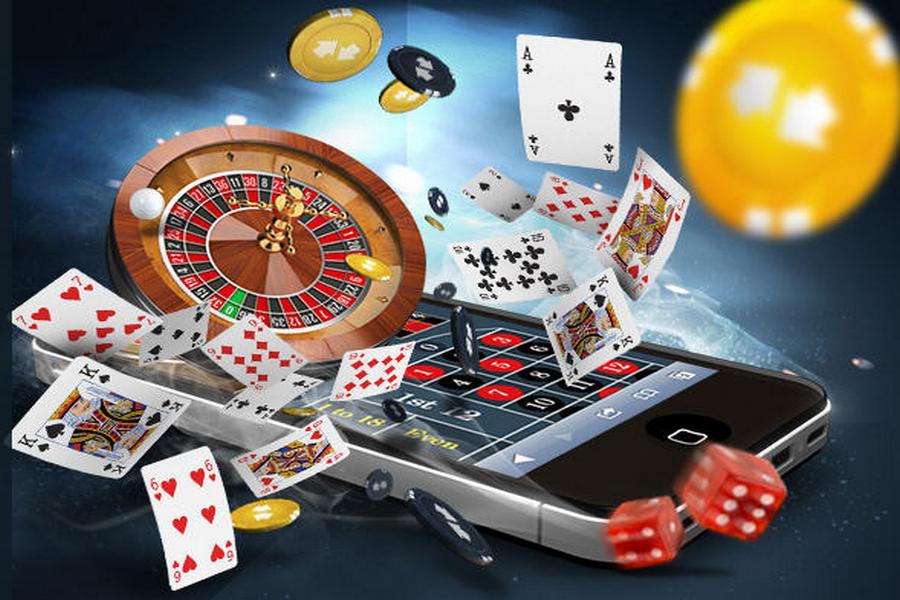
In the age of digitalization, gambling has transitioned into an online phenomenon, reshaping its cultural significance. Digital platforms offer unprecedented accessibility, allowing individuals to engage in gambling activities anytime and anywhere. This convenience has expanded the audience, bringing in a younger demographic that might have previously been uninterested in traditional gaming venues. The integration of technology into gambling experiences has also led to innovative gaming formats, such as live dealer games and mobile betting apps, enhancing user engagement.
The digital landscape has cultivated communities where players share experiences, strategies, and tales of remarkable wins and heartbreaking losses. These shared narratives contribute to a collective consciousness surrounding gambling that further emphasizes its role in modern culture. As we navigate this digital evolution, the need for responsible gambling practices becomes increasingly crucial, ensuring that the cultural significance of gambling remains positive and enriching for society.
